We Were the Lucky Ones
Some projects begin with an idea. This one began with a story that felt very close to us.
For Hulu's We Were the Lucky Ones, we were invited by the Sarofsky creative team to create an original collage concept and visual language for the opening title sequence.
At first, we searched for the right way to tell this story through collage. We explored, talked, researched and questioned different directions. We didn’t want to impose a visual style on such a powerful and deeply personal story - we wanted the idea to come from the story itself.
What became most important to us was the family at the heart of it: their incredible history, the strength of their connections, and the love that carried them through unimaginable challenges. While the story is shaped by war and separation, we didn’t want it to become a story simply about wartime hardship. For us, it is a story about a family being divided, enduring extraordinary circumstances, and, almost miraculously, finding its way back together.
The series tells the deeply moving true story of the Kurc, a Polish Jewish family separated across different parts of the world during the Second World War and, against all odds, reunited after the war. It is ultimately a story about love, resilience, belonging and an incredible reunion - and that became the emotional foundation for our approach.
That became our visual concept.
We started cutting photographs into fragments, allowing faces, places and memories to separate, overlap and reconnect. Each collage focused on individual members of the family, revealing something about who they were, what they did and what they experienced, while together the collages told the story of one family torn apart and becoming whole again.
Researching beyond the image
Being Polish ourselves made the research particularly personal.
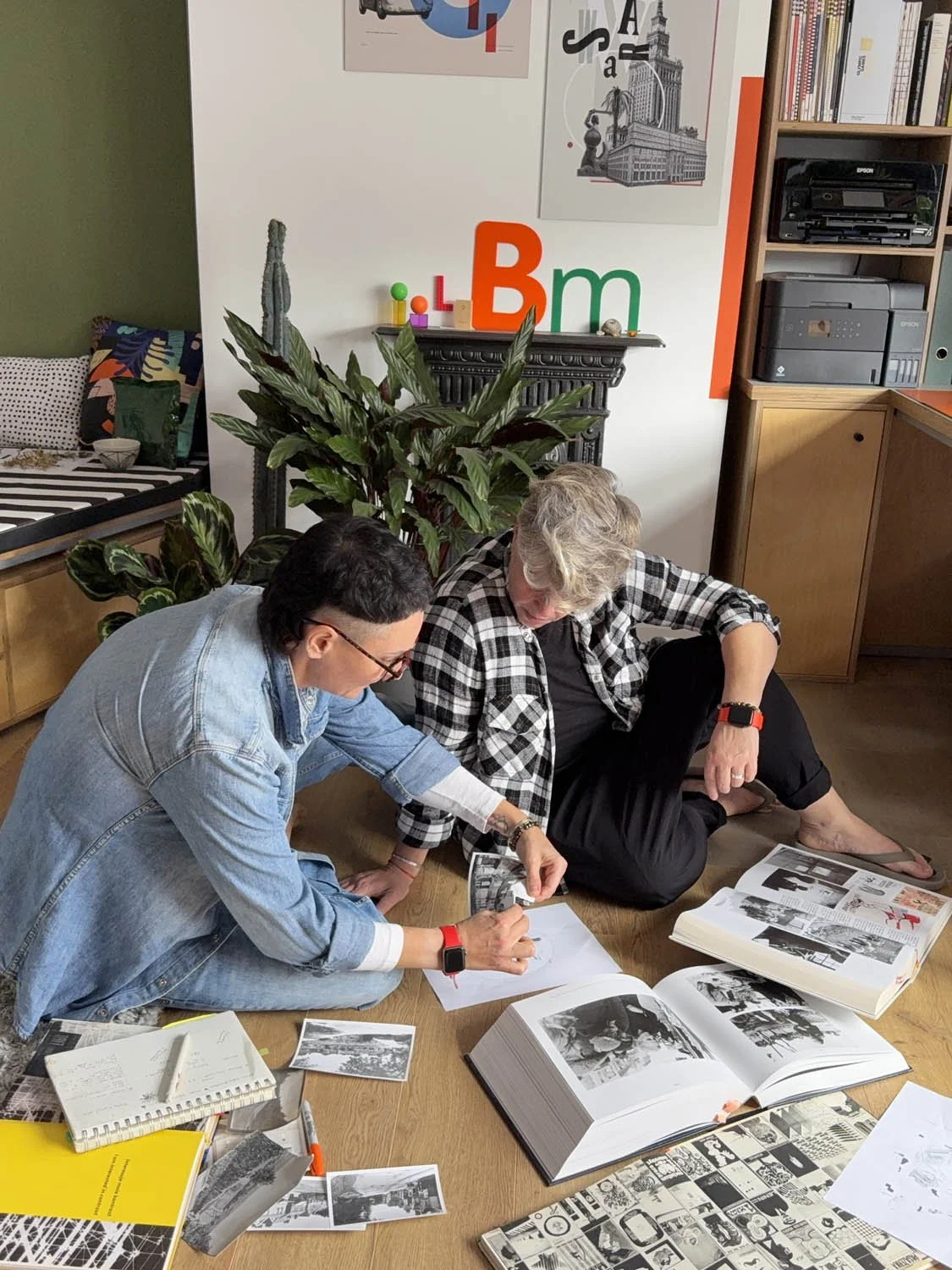
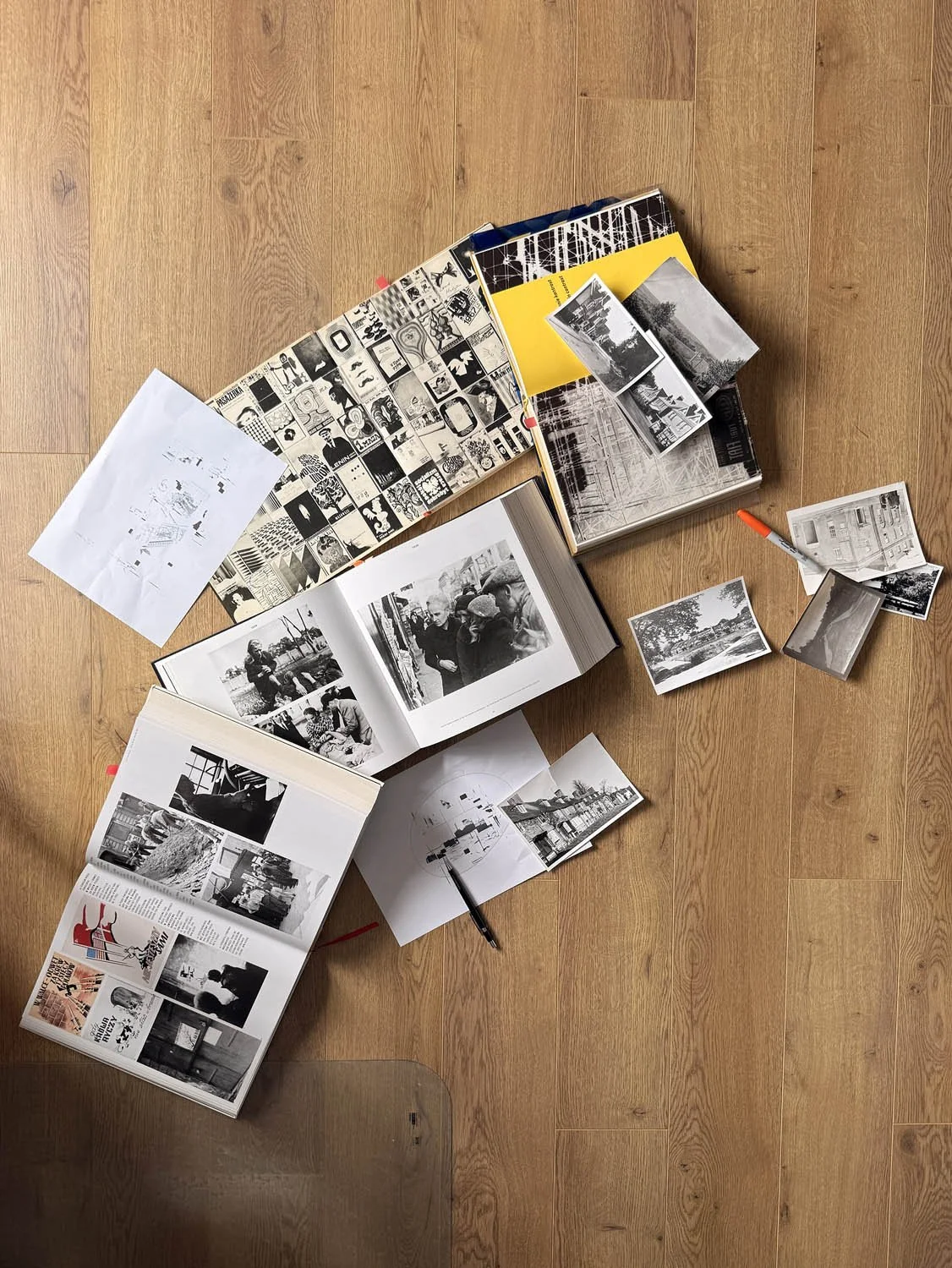
We looked through books, archival photographs and printed materials, researching Polish posters, typography and graphic design from before the Second World War. But we also talked to our grandparents about the Poland they remembered, their family stories and the small details that don't necessarily make it into archives.
We wanted to understand the world behind the images, not simply recreate how the past looked.
That distinction became important when we started designing.
We wanted the collages to feel sophisticated and contemporary without losing the history and emotion they carried. We were careful not to turn archival imagery into a nostalgic vintage aesthetic. Instead, we experimented with how photographs and their fragments could meet typography, texture, graphic shapes and negative space until we found a visual language that felt like our own and, most importantly, felt right for this story.
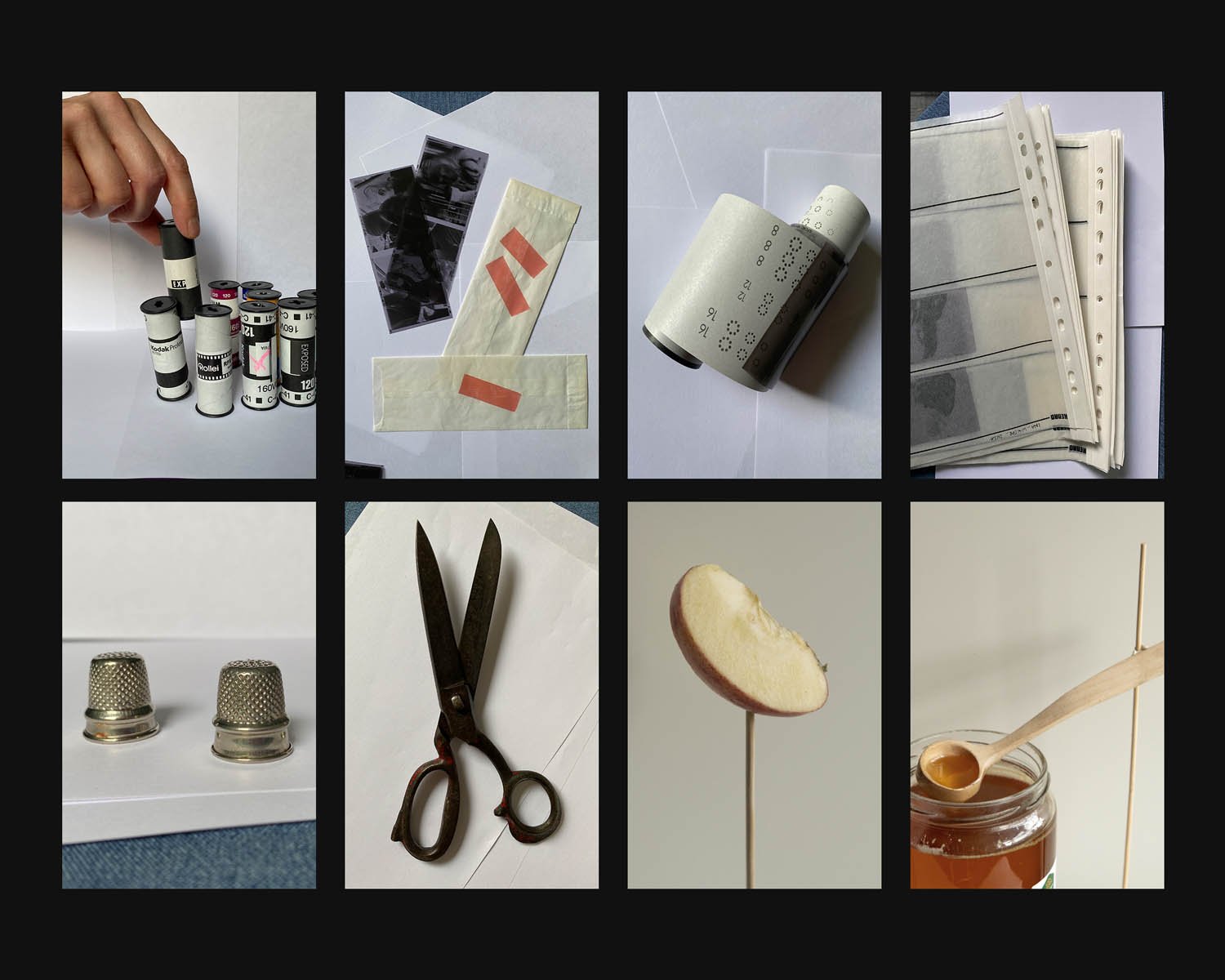
We also created additional photography ourselves, introducing small human details that could make the work feel more personal and emotionally present.
Building the story together
From that initial concept, we kept developing compositions and refining the visual language as the title sequence grew. Collage by collage, individual stories began connecting.
Behind the finished sequence were books, photographs, conversations, research, experiments and countless small decisions about what to show, what to remove and what to leave untouched.
And to be honest that is a big part of how we work.
We research deeply, but we also listen to our instincts. We question rather than decorate. We look for the idea inside the story and then build around it, piece by piece, while leaving enough space for collaboration and discovery along the way.
With We Were the Lucky Ones, the story itself ultimately showed us what the collages needed to become. Separate fragments, each carrying their own story, but always pieces of the same whole.